As a cat owner, nothing is more important than ensuring your furry friend stays healthy and happy. If your cat has urinary issues or you’re simply looking to boost their overall well-being, homemade urinary cat food could be the perfect solution.
By preparing meals yourself, you have full control over what goes into your cat’s diet, giving you peace of mind knowing exactly what your cat is consuming. In this guide, we’ll walk you through the benefits of homemade urinary cat food and provide simple, vet-approved recipes that are both nutritious and delicious for your feline companion.
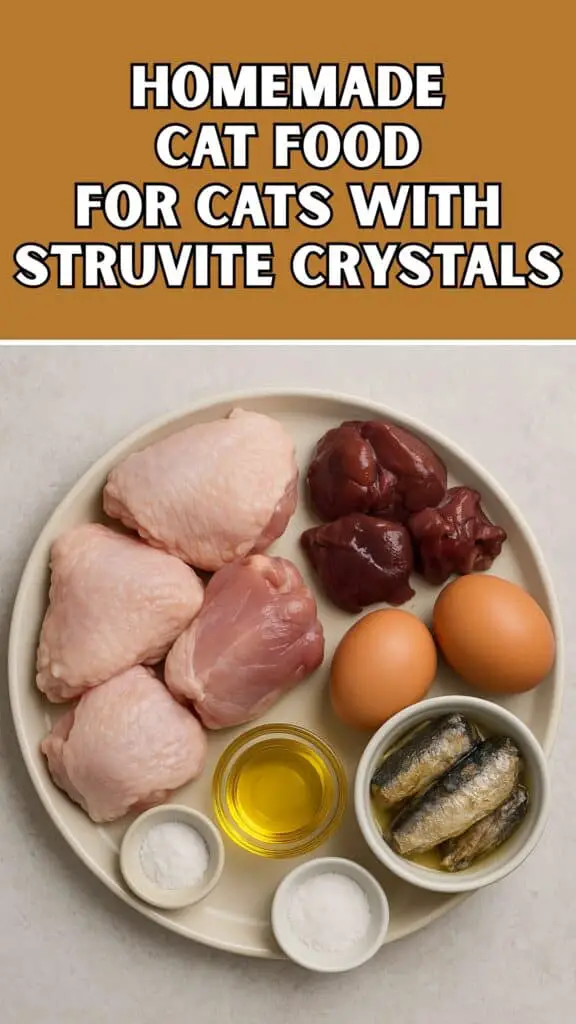
Homemade Cat Food for Cats With Struvite Crystals
If your cat has been diagnosed with struvite crystals, you know how crucial it is to adjust their diet to support their urinary health. Struvite crystals can lead to discomfort and even more serious issues if not managed properly, but the good news is that a carefully crafted homemade diet can help reduce the risk and promote healing. In this recipe, we’ll guide you through creating a delicious, vet-approved homemade cat food tailored to your cat’s specific needs. With the right ingredients, you can help your cat feel better, support their urinary tract health, and enjoy every bite.
full recipe

Homemade Cat Food Recipe for UTI
Is your cat peeing outside the litter box, straining, or just not acting like themselves? Urinary tract issues can sneak up fast, and they’re no joke. But what if the food you serve could help prevent those painful flare-ups? In this video, we’re breaking down how homemade cat food can be a game-changer for cats with UTIs. Simple ingredients, vet-informed choices, and a happier, healthier kitty—let’s get into it!
full recipe
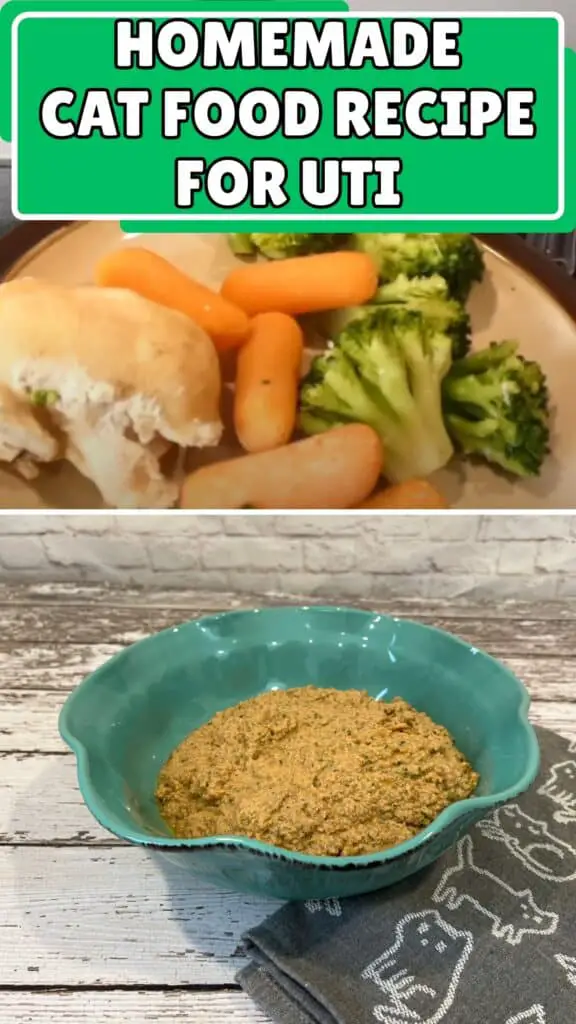
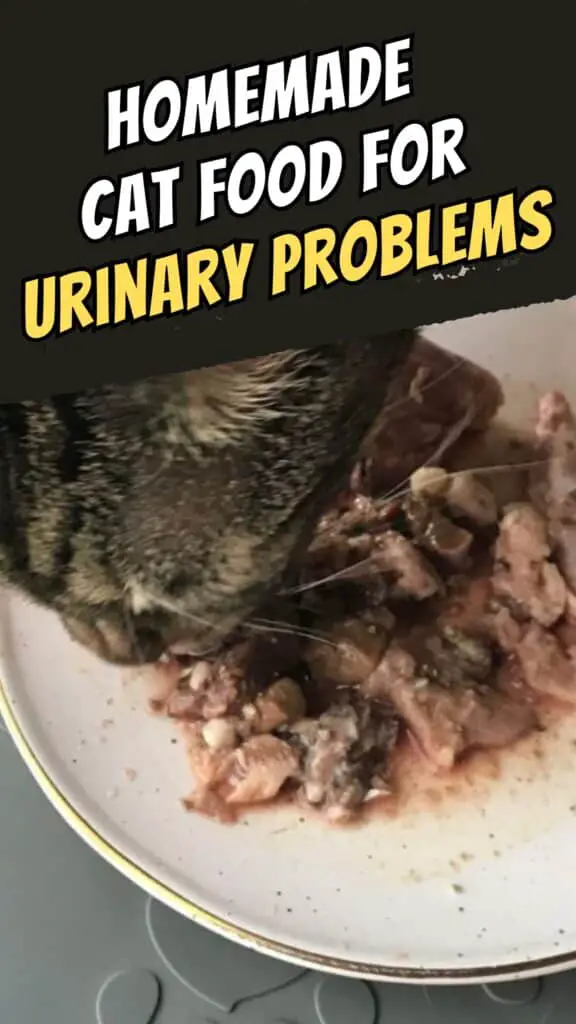
Homemade cat food for urinary problems
Tired of costly vet visits and prescription diets for your cat’s urinary issues? What if you could help manage their urinary health right from your kitchen? In this video, we’ll show you how to make simple, vet-informed homemade meals that support a healthy urinary tract, because a happy cat starts with the right food.
full recipe
Frequently Asked Questions (FAQ)
1. Is homemade urinary cat food safe for my cat?
Yes, but only when it’s properly balanced. Cats have very specific nutritional needs. Always follow vet-approved recipes or consult a veterinarian before switching to homemade meals.
2. Can homemade food really help with urinary problems?
It can support urinary health, especially when it increases moisture intake and controls minerals like magnesium and phosphorus. However, it should complement—not replace—professional veterinary care.
3. What are struvite crystals, and how does diet help?
Struvite crystals are mineral formations in the urinary tract. Diet plays a key role by:
- Reducing urine pH (making it more acidic)
- Limiting certain minerals
- Increasing water intake through moist food
4. What ingredients should I include in urinary-friendly cat food?
Focus on:
- High-quality animal protein (chicken, turkey)
- Moisture-rich ingredients (broths, water)
- Controlled minerals (low magnesium/phosphorus)
Avoid excess salt, artificial additives, and low-quality fillers.
5. Are there ingredients I should avoid?
Yes. Avoid:
- High-magnesium foods (like certain fish in excess)
- Too much calcium or phosphorus
- Processed foods with additives
- Garlic, onions, or toxic ingredients
6. Can homemade food treat a UTI in cats?
No. A UTI (urinary tract infection) requires proper diagnosis and often medication. Homemade food can help support recovery and prevent future issues, but it’s not a standalone treatment.
7. How much homemade food should I feed my cat?
Portion size depends on your cat’s weight, age, and activity level. A veterinarian can help you calculate the right daily intake to avoid underfeeding or overfeeding.
8. Should I add supplements to homemade cat food?
In many cases, yes. Cats need nutrients like taurine, calcium, and certain vitamins that may not be sufficient in plain homemade recipes. Always use vet-recommended supplements.
9. How can I increase my cat’s water intake?
- Add water or broth to meals
- Serve wet or homemade food instead of dry kibble
- Use a cat water fountain
- Provide fresh water daily
Hydration is key for urinary health.
10. How long does homemade cat food last?
- In the fridge: up to 3 days
- In the freezer: up to 2–3 months
Store in airtight containers and always serve fresh portions.
11. Can I switch my cat to homemade food immediately?
No. Transition slowly over 7–10 days by mixing increasing amounts of homemade food with their current diet to avoid digestive upset.
12. When should I see a vet?
Seek veterinary care immediately if your cat shows:
- Straining to urinate
- Blood in urine
- Frequent trips to the litter box
- Lethargy or loss of appetite
Urinary issues can become serious very quickly.