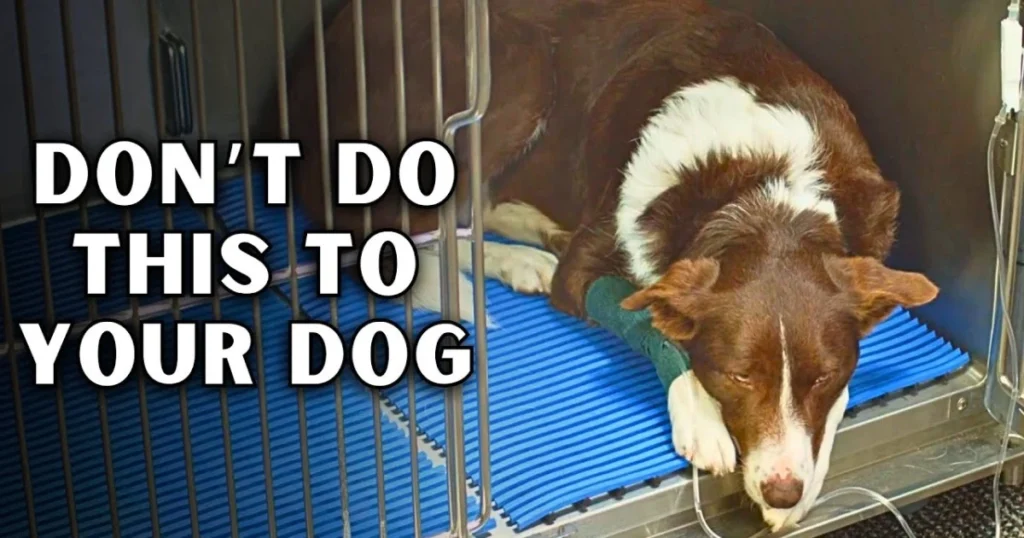


What would you do if you knew it was your dog’s last day? Would you stay by their side, or leave them to face the end alone?
The one who has loved you unconditionally for their entire life, the one who wagged their tail every time you walked through the door, spends their final moments scared, confused, and searching for you… but you’re not there.
What I’m about to share a veterinarian’s heartbreaking confession, might be the most important message every dog owner needs to hear.
Dogs Know More Than We Think
Let me start by saying this… Dogs know what’s happening. They might not understand the specifics, but they can sense when something is wrong.
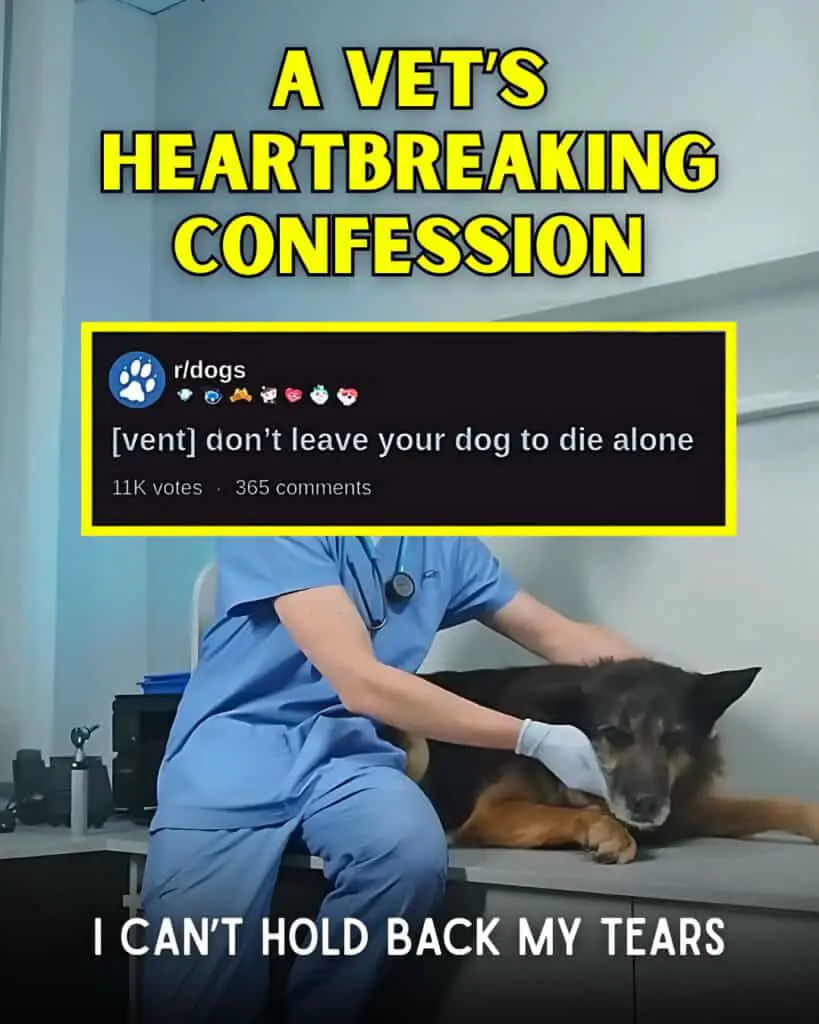
I read something on Reddit that I can’t stop thinking about. A vet shared a post more like a heartbreaking confession, about people who leave their dogs to die alone at the clinic. The post really hit me. My first reaction was, Wait… someone cared for their dog its whole life, and then just dropped it off at the vet, not even staying for its final moments? What kind of people do that?
This is the full post on Reddit from the vet’s confession. You can read it here:
When I read this, I couldn’t believe it. The post broke me. Sadly, this isn’t as rare as you might think.
Let’s talk about why this post matters and what we can learn from it. But before that I want to share an interesting perspective on how different cultures process loss. Do you remember Tamagotchis? Those tiny digital pets we loved and cared for in the ‘90s? Even their deaths weren’t treated the same around the world.

The Tamagotchi Lesson
In Japan, when a Tamagotchi passed away due to neglect, players faced a heartbreaking image: a gravestone, often with an angelic version of the Tamagotchi floating above it, accompanied by somber music. It was a poignant way to teach responsibility through a digital loss.
But in the US? The screen was different. Instead of a gravestone, players saw a spaceship taking their Tamagotchi back to its home planet. Bandai (company which made Tamagotchi) believed the Japanese version was too traumatic for American audiences and softened the blow with a less emotional narrative.
This small change reminds us that how we confront loss often depends on cultural context. But when it comes to our dogs—there’s no softening it. They know when something is wrong, and unlike a Tamagotchi, they can’t imagine a comforting “spaceship” to carry them away. They look to us for that comfort.
Why Being There Matters
For Your Dog
Dogs don’t understand why they’re at the vet or what’s happening, but they do understand you. Your presence—your voice, your touch, your love—anchors them in a moment of fear and confusion. Instead of feeling scared, they know you’re there, loving them and holding them as they cross the rainbow bridge.
You are their entire world. They’ve spent their lives waiting for you to come home, celebrating your smiles, and comforting you on your worst days. In their final moment, your presence is what gives them peace.
For You
Being there is incredibly difficult, watching your dog take their final breath will break your heart. But it also gives you a chance to say goodbye properly. You can hold their paw, whisper their name, and let them know they were loved until the very end.
It’s heartbreaking, yes, but it’s also healing. Being there means you’ll carry the pain of loss, but not the guilt of wondering if they felt alone. The last thing they see won’t be a strange room or unfamiliar faces. It will be you, their trusted companion, staying with them to the very end.
Being there in your dog’s final moments is the most meaningful act of love you can give. For them, it’s about comfort, safety, and trust. For you, it’s about closure, honoring the bond you shared, and knowing you showed up when it mattered most.
The Last Memory Matters
The final moments are hard, but they’re important. You’ll remember that you were there, showing up for the one who gave you their unconditional love every single day. It’s a memory that, though painful, will bring peace and dignity.
In the end, being there is about keeping a promise. It’s about honoring the bond you shared and giving your dog the comfort they deserve. Love isn’t just about the happy moments—it’s about standing beside them during the hardest ones, too.
The complete story you can watch here.

Frequently Asked Questions (FAQ)
1. Do dogs know when they are dying?
Dogs may not understand death the way humans do, but they can sense when something is wrong. They notice changes in their body, energy, and environment. Most importantly, they look to you for comfort and reassurance in those moments.
2. Should I stay with my dog during euthanasia?
Yes, if you are emotionally able to. Your presence can calm your dog and make them feel safe. Hearing your voice, feeling your touch, and seeing you nearby helps reduce fear and confusion.
3. What happens during euthanasia at the vet?
The process is designed to be peaceful and painless. Typically, your dog is first given a sedative to relax and fall into a deep sleep. Then, a second injection gently stops the heart. Most dogs pass quietly within minutes.
4. Will my dog feel pain during euthanasia?
No. When done properly by a veterinarian, euthanasia is painless. The goal is to ensure your dog is calm, relaxed, and free from suffering.
5. Why do some owners choose not to stay?
For some people, the emotional pain is overwhelming. They may feel unable to watch their dog pass. While this reaction is human and understandable, it’s important to consider what your dog experiences in those final moments.
6. Will my dog look for me if I leave?
Many veterinarians say yes. Dogs often search for their owners when they’re scared or in an unfamiliar place. Your absence can increase their anxiety during an already confusing time.
7. How can I comfort my dog in their final moments?
- Speak softly and calmly
- Gently pet or hold them
- Stay close so they can see and smell you
- Bring a favorite blanket or toy
Your presence alone is the most powerful comfort you can give.
8. Is it normal to feel guilty after losing a dog?
Yes. Guilt is a common part of grief, even when you did everything right. Being there in their final moments can help reduce those feelings and bring a sense of closure.
9. What if I truly can’t stay?
If you absolutely cannot stay, consider asking a trusted person to be there instead. Some veterinary staff will also provide comfort, but nothing replaces a familiar face your dog knows and loves.
10. How can I cope with the loss afterward?
Grief takes time. Allow yourself to feel it. Talk about your dog, look at photos, and remember the good moments you shared. Many people find comfort in creating a small tribute or memorial.